Restaurant kitchen rules in Florida, Texas and Georgia
- Pick what you need and give your kitchen's ZIP code.
- Each service goes to the number of local companies you choose, from one to five. We check licenses where the law requires one and email you their names.
- You talk with them and decide. You hire and pay the company directly.
Facts checked 2026-11-15.
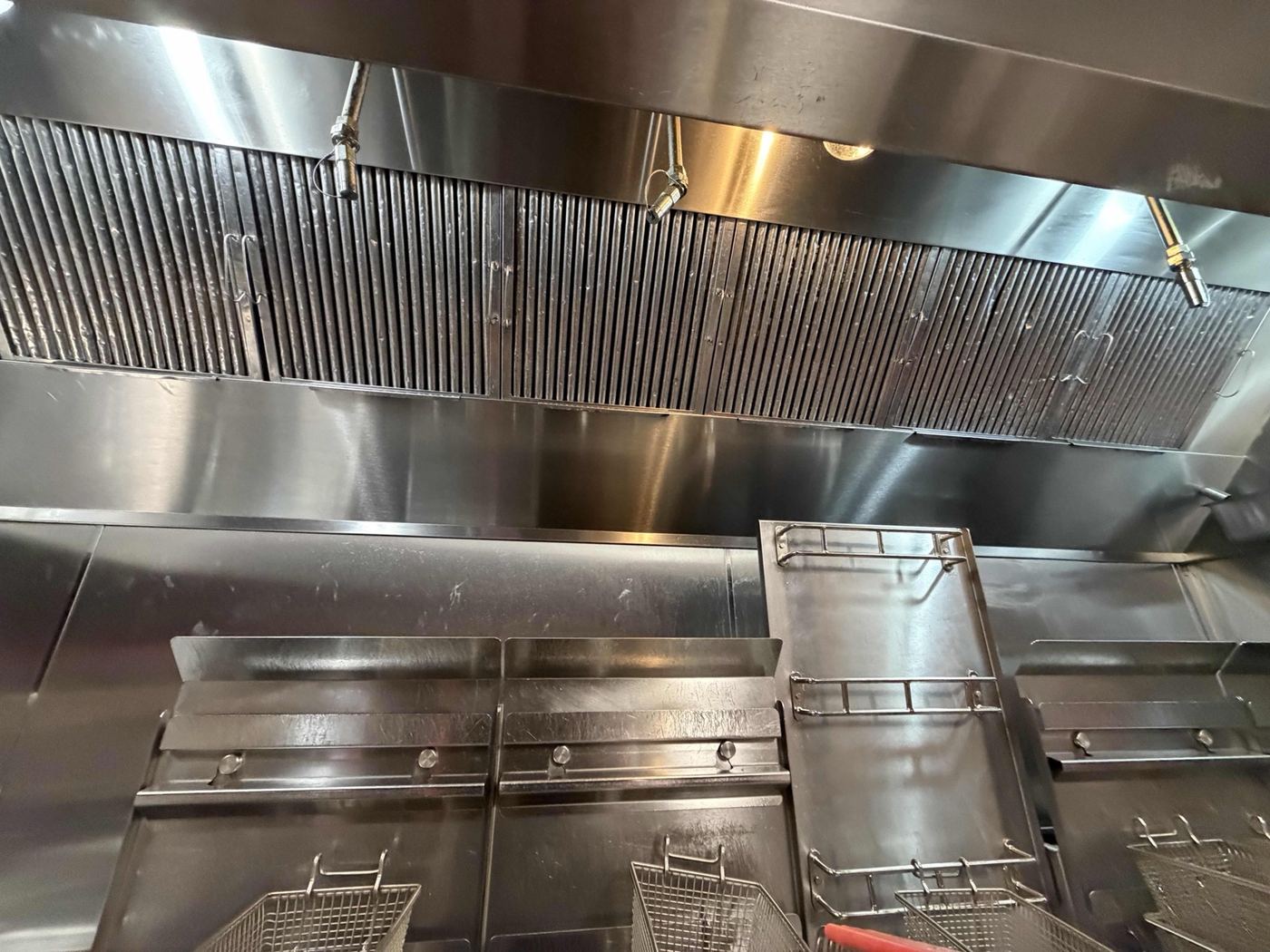
The same kitchen can face very different rules on either side of a state line. Three states, three sets of offices, and three ways of deciding which fire code applies. Commercial Kitchen 101 lays the differences side by side, then sends you to the section for your state.
Commercial Kitchen 101 is a referral service. After you read up, you can send a request and it goes to local companies, licensed where the law requires it. Those companies do the work, and you hire and pay them directly.
How the three states compare
| Question | Florida | Texas | Georgia |
|---|---|---|---|
| Who inspects food safety | DBPR, the state restaurant regulator | A city, county or public health district | The county health office |
| Who enforces the fire code | The local fire marshal | The local fire marshal | The local fire marshal, under state rules |
| Who licenses extinguisher and suppression companies | The State Fire Marshal at the Department of Financial Services | The State Fire Marshal's office at TDI | The Safety Fire Commissioner |
| Who sets grease trap rules | The local utility or county | The city or its wastewater utility | The local sewer utility's FOG program |
| Who registers the grease haulers | FDEP | TCEQ | EPD |
| Which fire code edition | Florida Fire Prevention Code, 8th edition, with the 9th scheduled for the end of 2026 | None statewide, each city picks | Set by the state in Rule 120-3-3 |
Read the table as a starting map. Your own fire marshal or permit office has the last word for your address.
What changes most from state to state
Who watches the food
Florida puts restaurant licensing and inspection in one state agency, DBPR. It also reviews the floor plan of a new or remodeled kitchen. Texas leaves the food permit to local health authorities, and the state health department steps in only where there is none. Georgia works through the county health office, which reviews plans and issues the permit under state food service rules.
Who decides the fire code
Georgia's state rules name the NFPA editions that apply to suppression systems and extinguishers. Florida adopts a statewide fire prevention code, and the state's own schedule moves it to a new edition soon. Texas has no single statewide fire code for restaurants. A 2015 TDI order says the State Fire Marshal's inspection standards do not apply where a local government has adopted its own fire rules.
Who licenses the service companies
All three states license the firms that service kitchen suppression systems and extinguishers, though a different office does it in each. Florida also issues a permit to each technician, and so does Georgia. Texas licenses individual technicians and registers the companies they work for. Hood cleaning is different. Florida has no separate state license for it, and the fire marshal decides which cleaners are accepted.
Who sets the grease rules
The state registers haulers, and the local utility writes the trap rules. In Houston a trap is pumped every 90 days unless the city approves a waiver. Dallas's poster says every 90 days or at 25% full. Florida utilities and Georgia FOG programs set their own schedules, so ask the one that serves your address.
Pick your state
Each state section covers who checks what, the licenses that matter, the yearly service rhythm and what to have ready before you ask for quotes. Open the one that matches your kitchen's address, or use the grid below.
Choose the jobs on the form and enter a ZIP code in your state, and the request goes to the number of local companies you choose (one to five).
Pick your state
Buying kitchen equipment
Questions
Which state has the strictest rules for restaurant kitchens?
The three states are not ranked here, because the rules sit in different offices and cover different things. Each state's section shows who decides what, and your local fire marshal and health office can tell you what applies at your address.
Who licenses companies that service fire suppression systems?
The state fire authority does, and it is a different office in each state. Florida uses the State Fire Marshal, Texas uses the State Fire Marshal's office at TDI, and Georgia uses the Safety Fire Commissioner.
Does Texas have one fire code for all restaurants?
No. Each Texas city decides which edition of the fire code it enforces and what it changes. Ask your city's fire marshal before you plan a build or a service schedule.
What does Commercial Kitchen 101 do with my request?
It passes the request to local companies you choose, from one to five. The companies are independent of this site, and the site does not quote, sign contracts or do any of the work.
Sources
- DBPR, food service licensing
- State Fire Marshal, Florida Fire Prevention Code
- FDEP grease waste program
- TDI fire industry licensing
- TDI Commissioner Order 4015 (2015), State Fire Marshal inspection standards
- TCEQ RG-389, Grease trap waste
- Houston LSB Standard 02, inspection and testing of fire protection equipment
- Dallas grease trap and interceptor poster
- Georgia Rule 120-3-3, State Minimum Fire Safety Standards (OCI PDF)
- Georgia Rule 120-3-23-.06, kitchen suppression firms
- DPH food service rules, Chapter 511-6-1
- EPD fats, oils and grease