Home › Florida › Orlando FL restaurant hood permits and grease certificate
Orlando FL restaurant hood permits and grease certificate
- Pick what you need and give your kitchen's ZIP code.
- Each service goes to the number of local companies you choose, from one to five. We check licenses where the law requires one and email you their names.
- You talk with them and decide. You hire and pay the company directly.
U.S. Bureau of Labor Statistics, private restaurants and other eating places
Facts checked 2026-11-15.
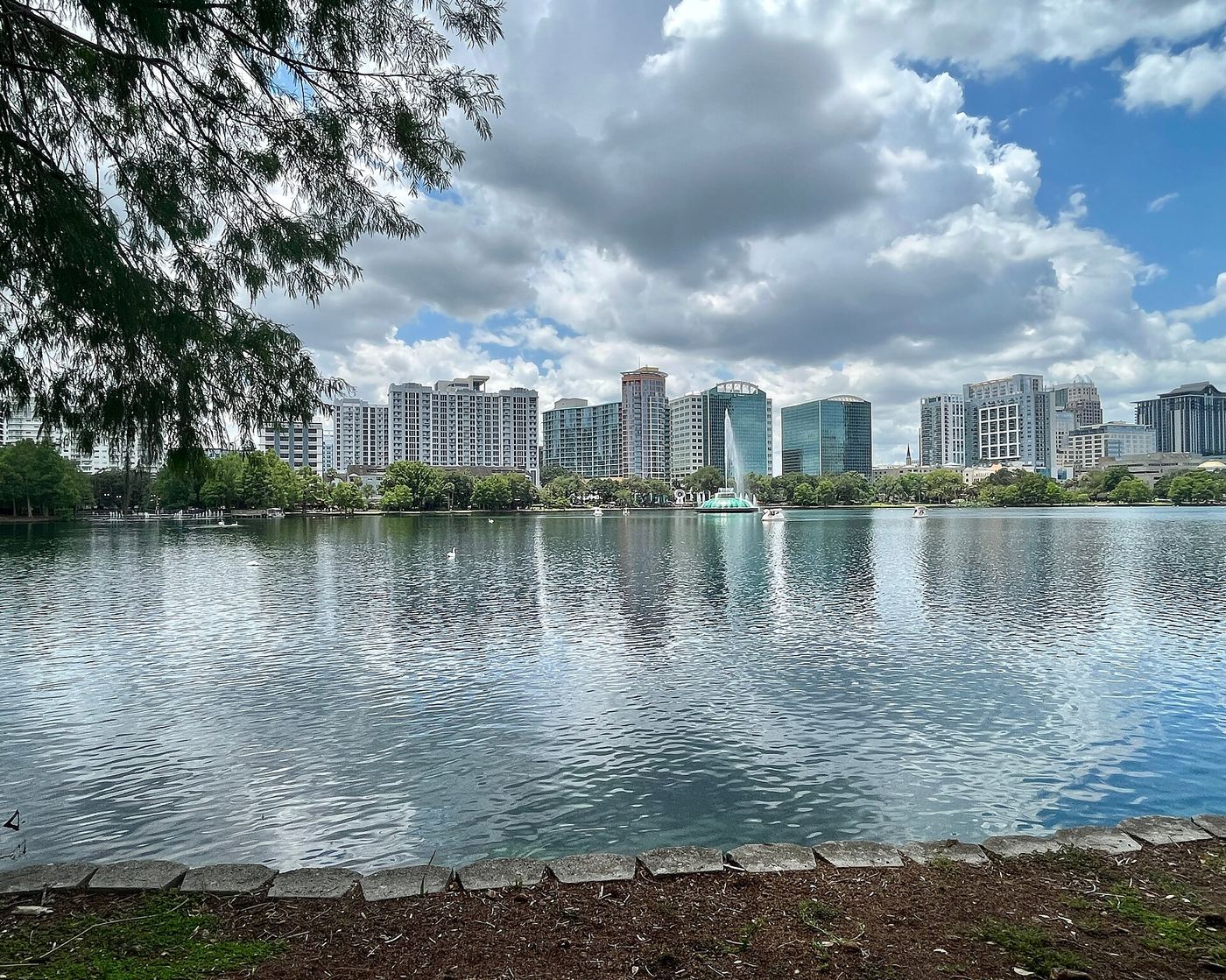

Inside Orlando city limits, a restaurant looks to the city rather than Orange County for fire review, building permits and sewer matters. A wet chemical hood system needs a city fire permit, the hood is inspected in three stages, and a grease interceptor earns a certificate lasting five years. An address outside the limits belongs on the Orange County page.
The offices behind an Orlando kitchen
| Question | Who to ask |
|---|---|
| Fire plan review, fire inspections, certificate of occupancy fire checks | Orlando Fire Department, Fire Life Safety Division |
| Building, mechanical and fire permits | City of Orlando permitting, through ProjectDox |
| Hood and suppression inspections during construction | City inspectors, in the stages listed below |
| Grease interceptor certificate | Water Reclamation Division, Grease Management Program |
| Health and food license | State DBPR, District 4 office in Orlando |
Among the Fire Life Safety Division's listed services are fire prevention inspections, permit issuance, certificate of occupancy inspections for new and existing businesses and business self-inspections. Reach it at 407.246.FIRE or [email protected].
Only a licensed contractor can pull the hood fire permit
The city's fire plan review checklist requires a permit for every type of fire suppression and names the wet chemical hood system specifically. The building permit department issues it, and the person pulling it must be a licensed contractor. Shop drawings come from the installing contractor and go through review.
A local company can take it from here. One form, free for restaurants.
Get connectedThree hood inspections, in order
The city's inspection guide labels them rough-in, second rough-in and final.
- Rough-in. Once make-up air and exhaust ducts are in, the inspector uses a light of at least 150 watts to look for holes in the duct. The approved plans remain on site.
- Second rough-in. Hood and duct must be shielded from combustible construction, and clearances are measured against NFPA 96 and the Florida Mechanical Code edition the city names. A shaft, if the design has one, is inspected for construction and clearance.
- Final. The hood is joined to the duct, filters and fans are in place, and the extinguishing system is installed with its permit issued. Testing and balancing are finished and all cooking equipment is set. A mechanical inspector watches a heat sensor test, run either as a simulation or with real cooking. A sticker on the hood, signed by the inspector, shows approval.
An acceptance test under NFPA 17 and 17A applies to the suppression system itself. The inspector compares nozzles with approved plans, then performs a manual pull test and a link or detector test, expecting the energy source to the cooking line to shut off. At the building final, the contractor's certification forms are collected and the inspector observes the tagging of the equipment.
Background on the basics is in the state restaurant build-out and hood installation guides.
ProjectDox carries commercial plans
The city reviews plans digitally in ProjectDox. Answers to review comments and revisions made after issuance are uploaded there as well. Commercial HVAC requires mechanical plans, and plumbing plans must detail interceptors and grease traps. Before scheduling inspections, the city wants a notice of commencement on record. Owner and contractor sign and notarize the building permit application.
A grease certificate lasts five years
A food service establishment that sends fats, oil and grease to the city sewer has to register and be certified. The Water Reclamation Division describes the goal as keeping grease out of more than 800 miles of public sanitary sewer lines.
- Complete the online Oil and Grease Interceptor Form.
- Send as-built plans with specifications, a site plan showing the layout and plumbing diagrams for fixtures tied to the waste piping.
- City staff from Compliance and Public Awareness come out to the site.
- On a pass, the city mails a certificate, which you post on site.
Fees and pump-out intervals do not appear on the city's grease pages. Call the program at 407.246.3922 and read the city's regulation in Chapter 30 of the code for what applies to your interceptor. Once certified, regular pumping by a licensed hauler follows, as the grease trap guide explains.
Restaurant numbers come from the county
For a single city, the Bureau of Labor Statistics publishes no restaurant count. Orlando lies within Orange County, which had 3,309 private restaurants and other eating places in 2025 and 2,759 in 2019.
Tags, extinguishers and hood cleaning
Under the city's checklist, a State Fire Marshal-licensed company tags fire protection systems quarterly and annually. Extinguishers need annual service, a minimum 2A:10B:C rating and a spot at an exit or within 75 feet of travel. The business fire safety checklist is silent on hood cleaning, so ask the Fire Life Safety Division what it expects.
State-level rules appear in the guides on fire suppression, fire extinguishers and hood cleaning. Related reading includes used cooking oil and equipment and food supply.
An Orlando ZIP code and the services needed go on the form, and the request goes to the one to five local companies you choose.
Other places in Florida
Questions
Is a fire permit required for a hood suppression system in Orlando?
Yes. The city's fire plan review checklist requires a permit for every type of fire suppression, wet chemical hood systems included, and a licensed contractor must pull it.
How many inspections does a new Orlando commercial hood get?
Three: a rough-in, a second rough-in and a final. A heat sensor test in front of a mechanical inspector is part of the final.
How long does an Orlando grease management certificate last?
Five years, as the city's application page states, and it must be posted on site.
Where are Orlando restaurant build-out plans submitted?
In ProjectDox, the city's digital plan review system.
Does Orange County handle addresses inside Orlando?
Not within city limits, where the city's own offices apply. Unincorporated Orange County files through the county's Fast Track portal.
Sources
- City of Orlando, Orlando Fire Department
- City of Orlando, Fire Plan Review Checklist
- City of Orlando, Fire Inspections Checklist
- City of Orlando, Other Inspections Checklists (commercial hood)
- City of Orlando, Commercial Permitting Requirements
- City of Orlando, Business Fire Safety Checklist
- City of Orlando, Grease Management Program
- City of Orlando, Apply for an Oil and Grease Management Program Certificate
- Florida DBPR, Hotels and Restaurants division offices